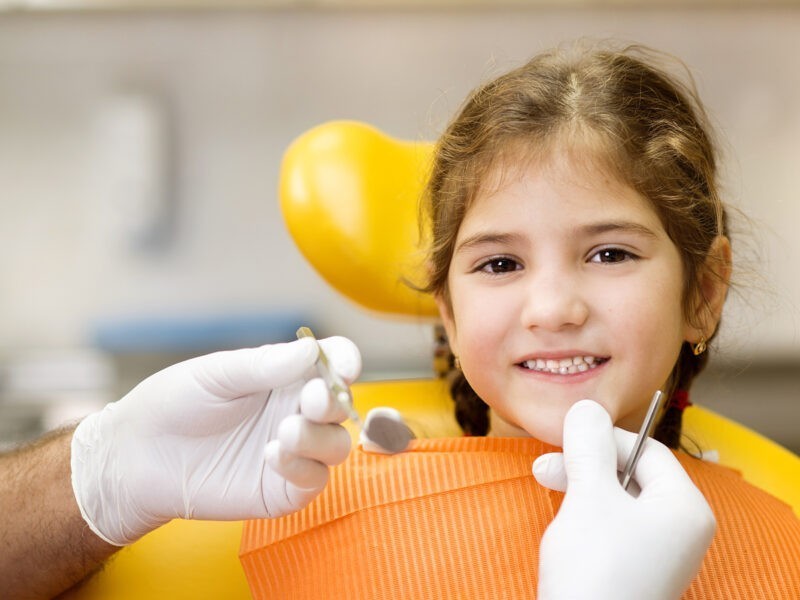

As a parent, seeing your child smile is one of your greatest joys. However, early childhood cavities are incredibly common and can quickly put a damper on that perfect grin. A baby tooth cavity occurs when tooth decay breaks down the enamel of a child’s primary teeth. Even though these teeth will eventually fall out, early dental care is absolutely critical. Neglecting a decaying baby tooth can lead to severe pain, infections, and complications for future permanent teeth. For local parents, addressing a baby tooth cavity Montgomeryville early on is the best way to ensure your child maintains excellent oral health and a pain-free smile.
What is a Baby Tooth Cavity?
A baby tooth cavity is essentially an area of decay that has permanently damaged the hard surface of a child’s primary tooth, developing into a tiny opening or hole. In children, cavities develop when bacteria in the mouth mix with sugary foods and drinks to create acids that eat away at the vulnerable tooth enamel.
Many parents mistakenly believe that because primary teeth fall out, decay isn’t a major issue. However, these early teeth play a foundational role in your child’s overall development. They hold space in the jaw for permanent teeth, help your child chew properly, and are vital for normal speech development. When a baby tooth cavity Montgomeryville is left untreated, it can severely disrupt these natural developmental milestones.
Common Causes of Baby Tooth Cavities
Understanding what causes tooth decay is the first step in protecting your child’s smile. Several everyday factors contribute to the formation of cavities in early childhood:
- Frequent sugar intake: Continuous snacking on sugary foods or sipping on fruit juices coats the teeth in cavity-causing carbohydrates.
- Poor oral hygiene habits: Inadequate brushing and flossing leave plaque on the teeth, accelerating enamel breakdown.
- Bottle feeding at night: Putting a baby to bed with a bottle of milk or juice allows sugars to pool around the teeth for hours, leading to severe decay often called “baby bottle tooth decay.”
- Lack of early dental visits: Skipping early dental checkups means early warning signs of decay go unnoticed until they become painful problems.
- Bacteria transmission: Cavity-causing bacteria can actually be passed from parent to child through sharing utensils or cleaning a pacifier with your mouth.
Signs & Symptoms of Cavities in Kids
Children aren’t always able to communicate dental discomfort clearly, making it crucial for parents to be vigilant.
Early Warning Signs
In the earliest stages, a cavity might not cause any pain. Look for chalky white spots on the teeth, which indicate that the enamel is beginning to break down. You might also notice your child complaining of mild sensitivity to hot, cold, or sweet foods and beverages.
Advanced Symptoms
If the decay progresses, the symptoms become much more obvious and painful.
- Tooth pain: Unprovoked or lingering pain in the mouth.
- Visible holes or dark spots: Brown or black staining and visible pits on the tooth surface.
- Swelling or infection: Swelling around the gums or face, indicating a severe infection or abscess.
Early detection is vital. Catching decay in the white-spot stage can sometimes allow the tooth to remineralize before a permanent hole forms.
Why Treating Baby Tooth Cavities is Important
Ignoring a cavity in a primary tooth can lead to a cascade of developmental and health issues. First and foremost, prompt treatment prevents severe pain and the risk of a dangerous oral infection spreading to other parts of the body.
Furthermore, baby teeth act as vital placeholders. If a primary tooth is lost prematurely due to severe decay, the surrounding teeth can shift out of place, blocking the path for the underlying adult teeth. Treating cavities protects permanent teeth development and helps maintain proper jaw alignment. Additionally, keeping baby teeth healthy ensures your child avoids preventable speech impediments and chewing difficulties that can affect their nutrition and confidence.
Baby Tooth Cavity Montgomeryville: Treatment Options
Fortunately, there are several highly effective treatment options available for local families facing childhood tooth decay. Your pediatric dentist will recommend a treatment based on the severity of the decay.
Fluoride Treatments
If a cavity is caught in its very early stages, a professional fluoride treatment can help restore the tooth’s enamel and sometimes reverse a cavity in the making.
Dental Fillings
This is the most common treatment for a standard cavity. The dentist removes the decayed portion of the tooth and fills the area with a durable, tooth-colored composite resin to restore its shape and function.
Crowns for Severe Decay
When cavities are advanced and a filling isn’t enough to save the structural integrity of the tooth, a stainless steel or white pediatric crown is placed over the tooth to protect it until it naturally falls out.
Tooth Extraction (If Necessary)
In rare cases where the decay is so severe that the tooth cannot be saved, extraction is required. Space maintainers are often used afterward to keep the gap open for the adult tooth.
Preventing Cavities in Children
The best treatment for a cavity is preventing it from forming in the first place. Building a strong foundation of daily oral care is essential:
- Proper brushing & flossing habits: Brush your child’s teeth twice a day with a smear of fluoride toothpaste, and begin flossing as soon as two teeth touch.
- Limiting sugary snacks and drinks: Swap out sticky candies and juices for water, cheese, and fresh vegetables.
- Regular dental checkups: Professional cleanings remove hardened plaque (tartar) that brushing at home cannot.
- Fluoride use: Ensure your child is getting adequate fluoride through tap water or dentist-recommended supplements to strengthen enamel.
- Healthy diet tips: Encourage a balanced diet rich in calcium and phosphorus to naturally fortify developing teeth.
Finding the Right Pediatric Dentist or Orthodontist
Selecting a dental professional who understands the unique needs of children makes all the difference. It is important to find a clinic that specializes in pediatric care, offering a gentle, child-friendly environment that eases dental anxiety for both kids and parents.
As your child grows, their needs will evolve. You may eventually find yourself searching for an “orthodontist near me for kids Montgomeryville” to address alignment issues. Establishing a relationship with a comprehensive local dental practice ensures seamless, long-term dental monitoring from their first baby tooth to their final set of braces.
When Should You Visit a Kids Dentist?
The American Academy of Pediatric Dentistry recommends that a child’s first dental visit should occur by their first birthday, or within six months after their first tooth erupts.
You should also seek immediate attention if you notice any signs of pain, swelling, or visible dark spots on their teeth. Otherwise, maintaining regular checkups every six months is the standard for keeping decay at bay and ensuring your child’s oral development is on track.
Conclusion
Early childhood cavities are a common but preventable challenge. By understanding the causes and symptoms of decay, you can take proactive steps to protect your child’s smile. Routine dental visits, excellent home hygiene, and a low-sugar diet form the ultimate defense against baby tooth cavities. Reassure your child that visiting the dentist is a positive experience, and stay vigilant about their oral health to set them up for a lifetime of confident, healthy smiles.
Schedule Your Child’s Visit Today
Don’t wait until a minor toothache becomes a major problem. If you suspect your child has a cavity, or if it is simply time for their routine checkup, contact our office to schedule a visit. We provide trusted, expert care for every baby tooth cavity Montgomeryville parents encounter, focusing on gentle early prevention and state-of-the-art treatment.