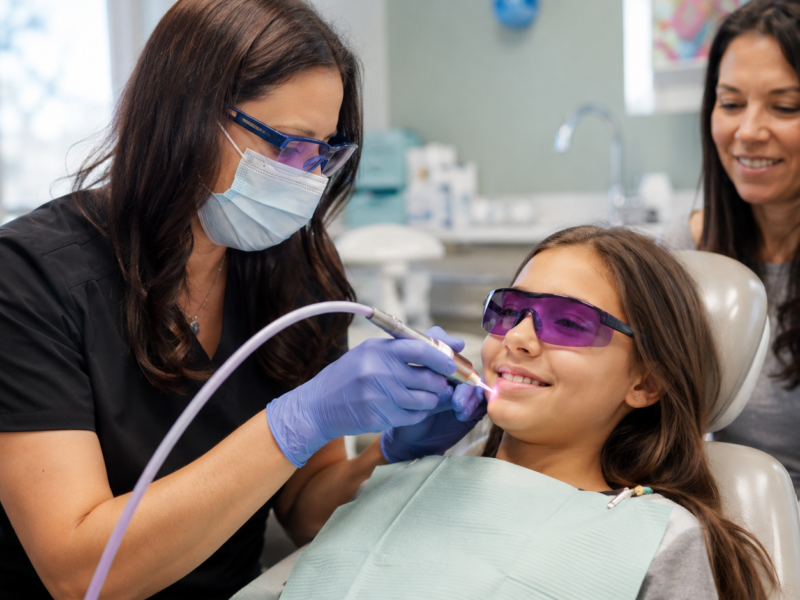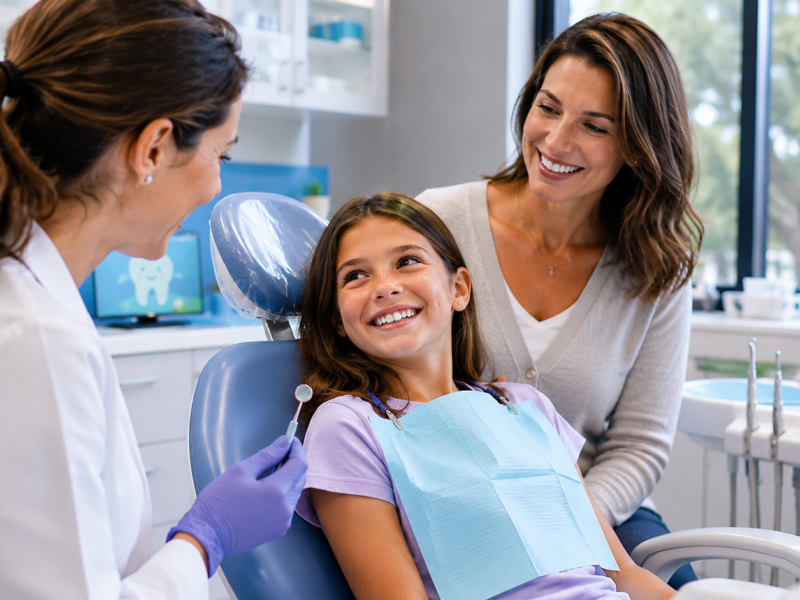
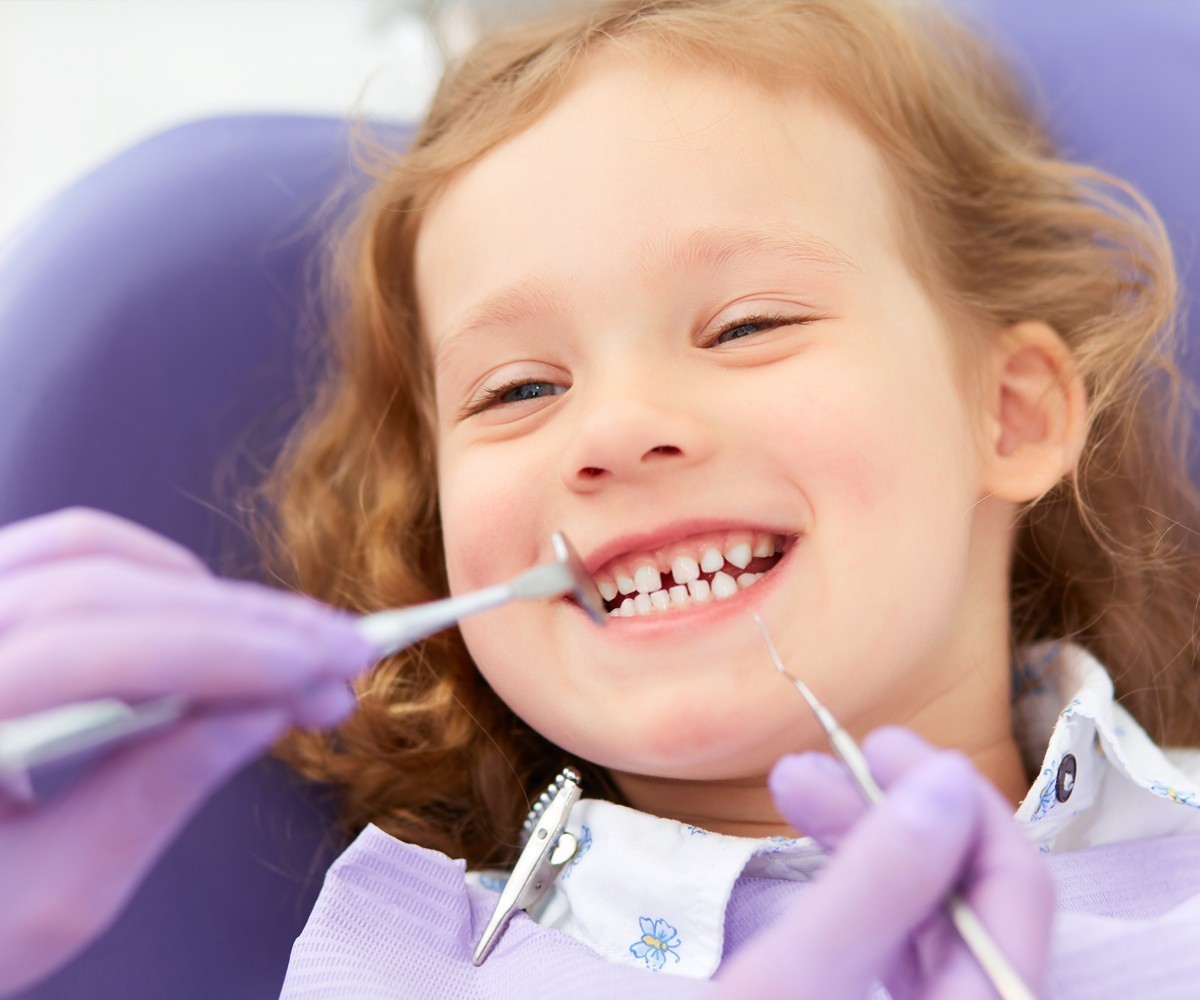
Finding out your little one has a cavity can be a stressful moment for any parent. Tooth decay is actually one of the most common chronic conditions found in young children. Many parents wonder why it matters if a tooth is going to fall out anyway. The truth is, early dental care plays a massive role in your child’s overall health and development. Addressing a baby tooth cavity in Montgomeryville early ensures your child stays pain-free and keeps their smile on track for the future.
What is a Baby Tooth Cavity?
A cavity in a primary tooth, or baby tooth, happens when plaque and bacteria eat away at the tooth’s enamel. Children have thinner enamel than adults, making their teeth highly vulnerable to decay.
These early teeth do a lot of heavy lifting. They help your child chew solid foods properly and speak clearly. They also act as essential placeholders in the jaw. Baby teeth guide adult teeth into the correct position when it is time for them to emerge, preventing severe crowding and alignment issues.
Causes of Baby Tooth Cavities
Several factors contribute to the breakdown of a child’s tooth enamel. Poor oral hygiene habits are usually the main culprit. When teeth are not brushed thoroughly twice a day, plaque builds up and creates acids that destroy the tooth surface.
Frequent snacking on sugary foods and drinks feeds these harmful bacteria. Another common issue is baby bottle tooth decay. This happens when a baby goes to sleep with a bottle of milk or juice. The sugars sit on the teeth all night, leading to rapid and widespread decay.
Skipping regular dental visits also allows minor issues to turn into painful cavities. Finally, caregivers can unintentionally pass cavity-causing bacteria to babies by sharing spoons or cleaning dropped pacifiers with their own mouths.
Signs and Symptoms to Watch For
Catching decay early makes treatment much easier for your child. Look out for chalky white spots on the teeth, which are often the first sign of enamel breakdown. Over time, these spots can turn light brown or dark black.
Your child might complain of tooth sensitivity or pain, especially when eating hot, cold, or sweet foods. Difficulty chewing or suddenly avoiding certain hard foods can also signal a hidden problem. In more advanced stages, you might notice swelling or redness in the gums around the affected tooth. If you spot any of these signs, seek early dental care immediately to stop the decay from spreading.
Why Treating Baby Tooth Cavities is Important
Some parents assume baby teeth do not need fillings because they eventually fall out. Ignoring a cavity can lead to severe consequences for your child’s health.
Untreated cavities cause significant pain and can lead to dangerous oral infections. A severe infection can even spread to the developing permanent tooth underneath the gums, causing lasting damage before the adult tooth even appears.
Primary teeth also hold the necessary space for adult teeth. If a baby tooth is lost too early due to decay, neighboring teeth can shift into the empty space. This shifting blocks the adult tooth from coming in straight, often requiring extensive orthodontic correction later in life. Supporting healthy development now saves time and money down the road.
Treatment Options for Baby Tooth Cavities
Pediatric dentists use gentle, child-friendly procedures to fix decayed teeth. The right treatment depends completely on the severity of the cavity.
Fluoride Treatment
For very early-stage decay, a professional fluoride varnish can help remineralize the enamel. This simple, painless treatment can sometimes reverse minor damage before a physical cavity forms.
Dental Fillings
If the cavity has formed a hole in the tooth, the dentist will remove the decayed portion. They will then place a tooth-colored filling to restore the tooth’s shape and function, stopping the decay in its tracks.
Dental Crowns
For severe decay that compromises a large portion of the tooth, a pediatric crown might be necessary. Stainless steel or ceramic crowns cover the entire tooth. This protects the remaining tooth structure until it naturally falls out.
Tooth Extraction
When a tooth is too damaged or infected to be saved, extraction becomes the last resort. The dentist will carefully remove the tooth. They may also place a small metal space maintainer to keep the gap open for the future adult tooth.
Preventing Baby Tooth Cavities
Prevention is always the best approach to pediatric dental care. Start cleaning your baby’s gums with a soft, damp cloth even before the first tooth appears. Once teeth come in, brush them twice daily using a tiny smear of fluoride toothpaste. As your child grows, teach them good oral hygiene habits so they can eventually brush and floss independently.
Limiting sugary snacks and acidic drinks greatly reduces the risk of decay. Offer water and healthy snacks like cheese and crunchy vegetables instead. Make sure to attend regular dental checkups. During these visits, the dentist can apply professional fluoride treatments or dental sealants to provide an extra layer of protection against cavities.
When to Visit a Pediatric Dentist in Montgomeryville
The American Academy of Pediatric Dentistry recommends scheduling your child’s first dental visit by their first birthday, or when their first tooth appears. After that initial milestone, routine checkups should happen every six months.
These regular visits allow the dentist to monitor the growth and development of your child’s jaw and teeth. If you notice any signs of pain or discoloration between visits, schedule an appointment immediately. Early dental care also helps identify alignment issues early on. Your pediatric dentist will track the shifting teeth and let you know exactly when you should start looking for an orthodontist near me for kids Montgomeryville.
Choosing the Right Pediatric Dental Care in Montgomeryville
Finding a dental home for your child sets the tone for their lifelong relationship with oral healthcare. Look for a clinic that offers a warm, child-friendly environment designed to ease anxiety.
Experienced pediatric specialists know how to communicate with children on their level, turning a scary appointment into a fun learning experience. Choose a practice equipped with modern technology to ensure treatments are quick and comfortable. Finally, take the time to read positive reviews and ask other local parents for recommendations to verify the clinic’s reputation.
Tips for Parents to Support Healthy Teeth
Children learn best by observing the adults around them. Lead by example and let your kids see you brushing and flossing your own teeth every day.
Make oral hygiene fun by playing a two-minute song during brushing time or using a colorful toothbrush featuring their favorite cartoon character. Monitor their diet closely, swapping out sticky fruit snacks for fresh fruit. Staying consistent with your home routine and scheduling regular dental visits will set your child up for a lifetime of healthy smiles.
Protect Your Child’s Smile Today
Early detection and treatment of tooth decay keep minor issues from becoming painful emergencies. Baby teeth truly matter for your child’s speech, nutrition, and future adult smile. Do not wait for your child to complain of a toothache before seeking professional help. Schedule your child’s dental checkup today in Montgomeryville to prevent and treat cavities effectively.
Frequently Asked Questions
Are cavities in baby teeth serious?
Yes, cavities in baby teeth can cause severe pain, difficulty eating, and serious infections. If left untreated, the decay can damage the permanent teeth developing beneath the gums.
Can baby tooth cavities heal on their own?
A cavity that has formed a physical hole in the tooth cannot heal on its own. However, very early stages of enamel demineralization can sometimes be reversed with professional fluoride treatments and excellent home care.
How are cavities treated in young children?
Treatment depends on the size of the cavity. Options include fluoride treatments for early decay, dental fillings for moderate cavities, pediatric crowns for severe decay, or extractions if the tooth cannot be saved.
When should I search for an orthodontist near me for kids in Montgomeryville?
The American Association of Orthodontists recommends a child’s first orthodontic evaluation by age 7. However, your pediatric dentist will monitor your child’s bite during regular checkups and let you know if an earlier referral is necessary.